
Understanding the reuse
of packaging
Two trades, two sectors
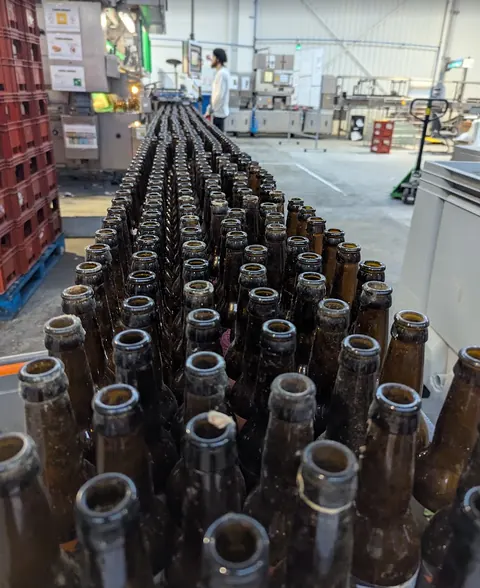
Recycling means destroying a piece of packaging to recover its material and make a new one. Reuse means collecting it, washing it and putting it back on the shelf as it is.
They are two different trades, two different sectors, with two very different effects on a product's footprint.
A reusable container never becomes waste. It stays in circulation.


Five interdependent players


- The producer is the manufacturer or brand that decides to offer its product in reusable packaging rather than in disposable, single-use packaging.
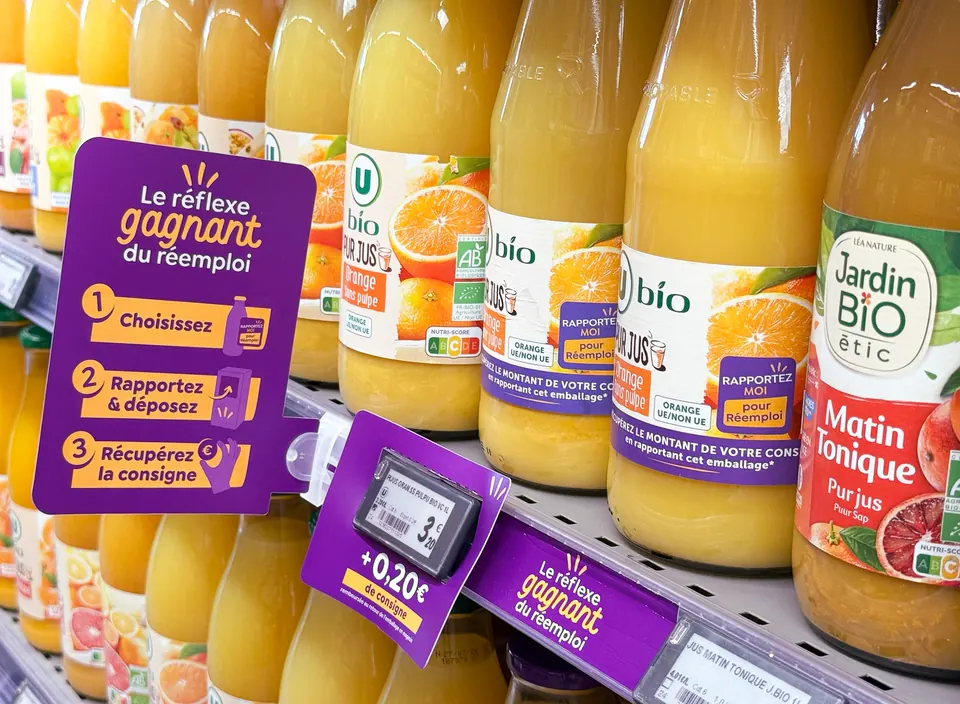
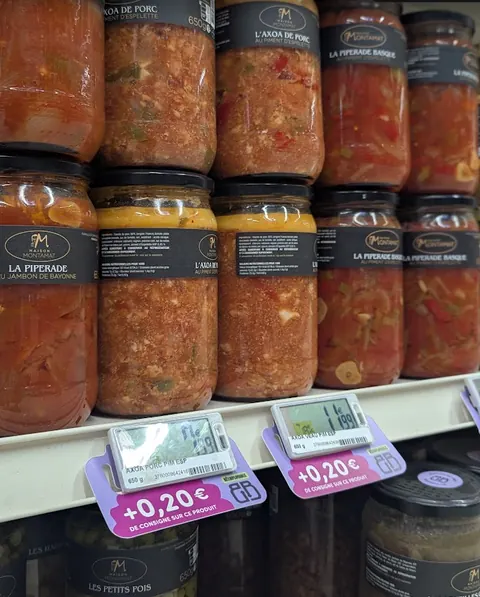
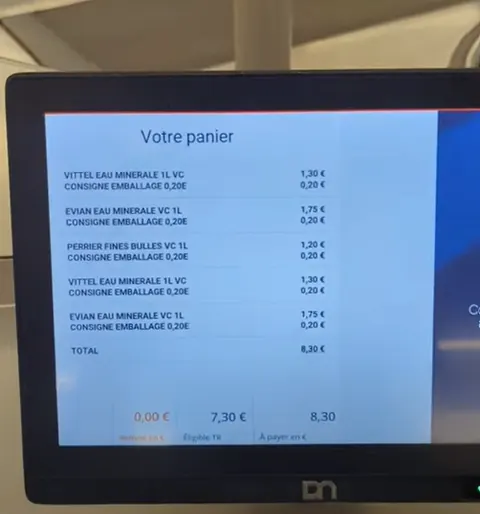
- The store sells the reusable product with a deposit and also becomes a collection point: this is where consumers will bring the container back once they have finished the product.
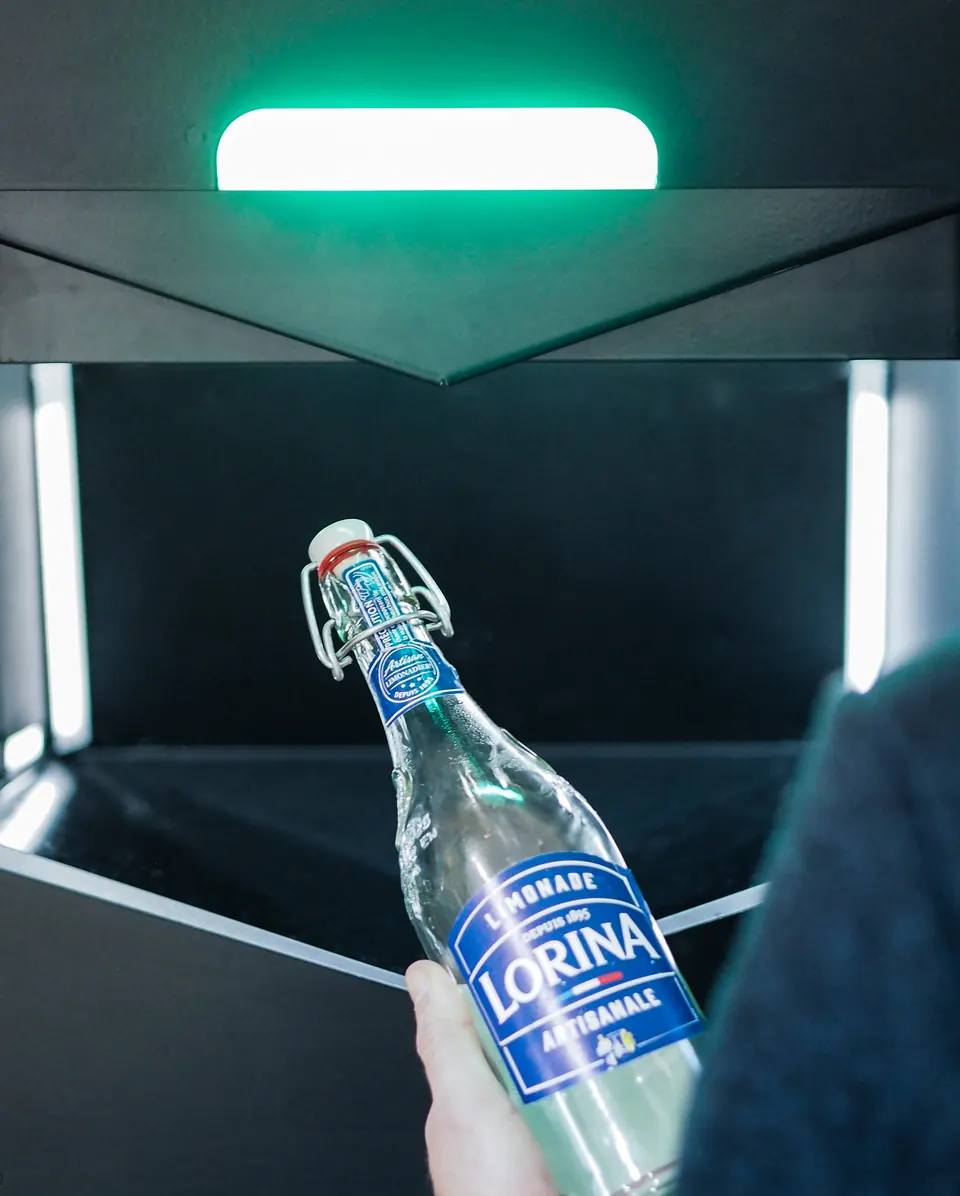
- The solution provider equips the store with a self-service collection machine, which refunds the deposit to consumers without tying up store staff.
- The reuse operator transports, washes and inspects the packaging and puts it back into circulation: it is sent back to the producers to be refilled.
- The producer responsibility organisation (PRO) funds and organises the sector.
The operators and the areas they cover
Reusable packaging does not cross France to be washed: it is collected, washed and refilled close to where it was sold. That is what makes reuse worthwhile for the environment, and it is why every loop is organised around an operator based in the area.
Here are a few of them. There are others, and there may already be one in your region. Select an operator to see its area.
Who is affected, and from when
This is the minimum share of products that brands and producers must sell in reusable packaging: from 2025 for plastic packaging, and from 2027 for all packaging.
- 2025Producers of over 10,000 packaging units a year10% reusable for plastic packaging décret 3R
- 12 Aug 2026The whole European UnionThe EU packaging regulation applies PPWR, EU 2025/40
- 2027Producers of over 10,000 packaging units a year10% reusable for all packaging loi AGEC, art. 9
- 2030Beverage producers10% reusable containers PPWR
- 2040Beverage producers40% reusable containers PPWR
More about the law
These targets apply first and foremost to producers, but their reusable products will reach every aisle. And since stores are themselves producers through their own-label brands, they are the first to be affected.
In 2029, a store will no longer really be making a choice: it will be complying with a regulatory obligation, at the very moment everyone wants to get equipped at once. Today, it can still choose its equipment and take advantage of the funding available, as well as the availability of players in the sector.
Grants and calls for projects
| Grant | For whom | What it funds | Status |
|---|---|---|---|
| Packaging reuse grants ADEME | Businesses, local authorities, non-profits, federations | Studies and trials (up to 80%), investments (up to 60%) | Open until 31 December 2026 |
| Fund supporting the extra cost of reuse Léko | Producers who are members of Léko | Part of the extra cost of reusable bottles | Open until the budget runs out |
| Support for reuse operations Léko | Reuse operators | Operations carried out with Léko members | Always open |
| “Encore plus de réemploi” (“Even more reuse”) Citeo | See the call's rules | Packaging reuse projects | Closed on 30 September 2026 |
| “EncoRE plus de réemploi” (“Even more reuse”) Adelphe | See the call's rules | Packaging reuse projects | Closed on 30 September 2026 |
Updated on 2 October 2026
Every aisle, every format
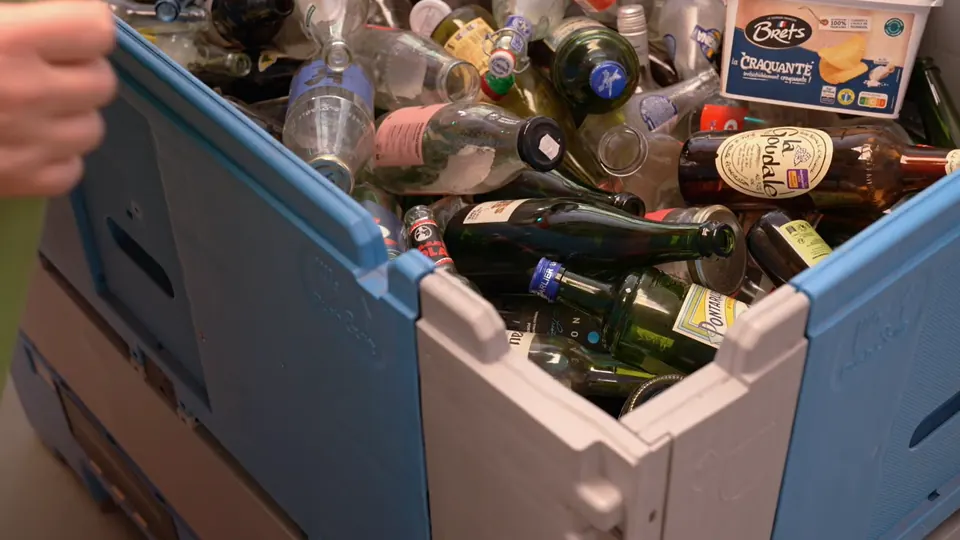
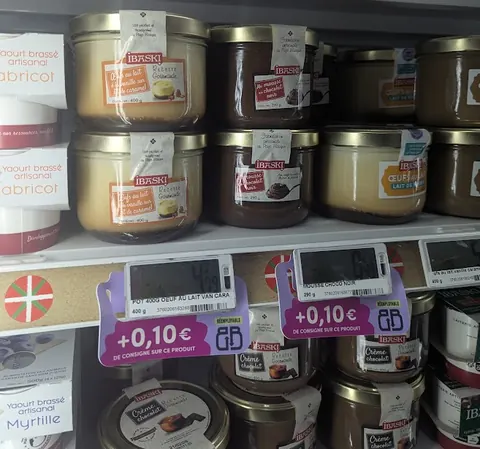
The reuse targets cannot be met by sticking to deposits on bottles in the drinks aisle. The only way to reach 10% reusable packaging is to cover every aisle: grocery, fresh food, personal care, household products… no technical constraint should stop reuse from looking beyond the bottle.
The law provides for this, as it refers to developing standard formats not only for bottles but also for jars and trays! Formats that are not cylindrical, and materials that are not only glass.
So we need collection solutions that accept all of this packaging, whatever its size, shape, weight or tracking method.
More than a constraint, an opportunity
Far from being just a legal requirement, reuse is a real opportunity for a store. Here is what it gains:
 01
Customers who shop elsewhere today
Reuse attracts fairly affluent customers who care about the quality of what is on offer and the impact of what they buy, and who are ready to switch stores to find it. Every generation supports deposit schemes: this is no longer a niche market! Yet the offer remains limited. So the first stores to get started win over committed customers.
 02
An extra visit
Returning a container means coming back to the store. It is a recurring reason to return, at a pace few other aisles can match.
 03
A voucher that stays with you
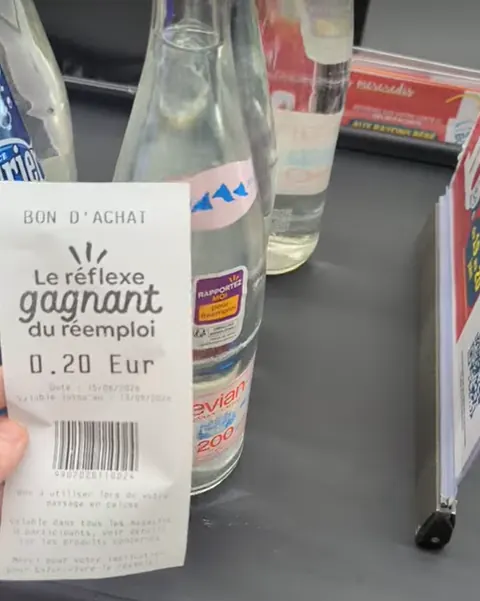
Refunded as a store voucher or onto the loyalty card, the deposit is spent again in the store.
 04
A head start on 2030
Tackling the subject now, with time to get it right, rather than having it forced on you once it becomes mandatory, also means you can choose your equipment, benefit from the operators' teams while they are available, and take advantage of attractive funding.
The life cycle of packaging, in pictures
What ADEME says
This is the point from which reusable glass packaging becomes better for the environment than the same packaging in single-use form, whatever the transport distance, from 25 to 600 km.
ADEME, Part A, June 2023
Reuse is also beneficial for trays and jars. So we can step outside the drinks aisle and look further!
ADEME, Part B, 2025
What you often hear, and what is true
“Washing pollutes more than recycling”
This is the most common objection, and ADEME answered it in 2023 by comparing reusable glass packaging with its single-use equivalents over their whole life cycle. Reusable packaging becomes the better option after just 2 to 4 uses, whatever the transport distance, from 25 to 600 km: so washing is offset, and very quickly.
The study also shows that the advantage is greatest for pots, trays and cans. So it is by stepping outside the drinks aisle that reuse becomes most worthwhile for the environment.
ADEME, Parts A (2023) and B (2025)
“It costs too much”
For consumers, reuse costs nothing extra: the deposit paid at the checkout is refunded in full when they bring the packaging back. It is not an extra cost, it is an advance.
For stores, producer responsibility organisations currently fund a large part of the scheme, and in return reuse brings them visibility, footfall and a reason to come back that few other aisles create.
“Nobody brings anything back”
French people say exactly the opposite: 93% are in favour of expanding deposit schemes for reuse, and 93% say they are ready to bring their packaging back. The main obstacle they mention, at 64%, is the lack of return points: it is not the will that is missing, it is a place to do it.
At our machines, every generation brings its packaging back. Reuse is a customer habit, not an activist statement.
CSA poll for Citeo, June 2025, 1,003 respondents
“It's only for organic stores”
It used to be, but not any more. The ReUse programme, run by Citeo since June 2025, already brings together 362 stores from five major retail chains (Carrefour, Coopérative U, E.Leclerc, Intermarché and Monoprix) and 169 products.
And the movement is set to grow, since the law sets reuse targets for producers: their products will reach the shelves of every store, organic or not.
A short glossary
Deposit
Deposit refund
Loop
Container
Sales unit (UC)
Producer
Producer responsibility organisation (PRO)
Reuse operator
Multi-format
Interoperability
We'll answer, whatever your question
Missing a piece of information? Get in touch!
You will also find plenty to help you move forward in our presentation of the Collector.